
Rescue and Adoption: What the rescue process actually looks like from the outside

Table of Contents
Nobody tells you how the cat rescue and adoption system works until you need it. And by the time you need it, you’re usually already in the middle of something you didn’t plan for.
I found Conan on February 10, 2026. While I was in the middle of finding out if she had an owner, she had given birth to six kittens in our backyard. I had no prior pet experience, no rescue contacts, and no idea what I was doing. What I had was a mama cat who trusted me, six newborns who needed a future, and a phone with internet access.
What followed was 43 days of figuring out a system that nobody explained clearly from the outside; who to call, what to ask, what a legitimate rescue actually looks like, what the transfer process involves, and how to prepare yourself for the moment you hand over animals you’ve come to care about deeply.
This is what I learned. Written for the person standing at the beginning of exactly what I went through.
The first thing to understand: you are not alone in this
The rescue system feels opaque from the outside because it largely operates through informal networks; Facebook groups, word of mouth, community connections that you don’t know exist until someone points you toward them. Finding your way in requires knowing where to look.
Start with these:
Local Facebook groups: search your city or county plus terms like “community cats,” “stray cats,” “TNR,” or “cat rescue.” These groups are often the fastest way to connect with people who know your local resources.
Nextdoor: neighbors who have navigated similar situations are often more accessible here than anywhere else.
Your local shelter: I listed this still because there are still no-kill shelters AND SHOULD BE THE LAST RESORT! But even if they can’t take the animal, most shelters maintain lists of rescue organizations and foster networks in the area and can point you in the right direction.
Neonatal or kitten-specialized rescues: if you have a litter of young kittens, a general shelter is often not the right fit. Look for rescues that specifically mention neonatal kittens, mama-and-litter situations, or foster-based care.
The key at this stage is casting a wide net. Contact multiple organizations simultaneously and be transparent about your situation: the age of the kittens, the status of the mama cat, what care you’ve been providing, and your timeline.
What a legitimate rescue actually looks like
Not every organization that calls itself a rescue operates with the same standards. When you’re in a vulnerable position, caring for animals you can’t keep, under time pressure, emotionally invested, it’s worth knowing what to look for.
A legitimate rescue will ask thoughtful questions before committing. They want to know about the animal’s health, temperament, age, and history. They’ll be transparent about their process, their foster network, and what happens after intake. They communicate consistently and follow through on what they say they’ll do.
Red flags to watch for: vague answers about placement, no verifiable online presence or reviews, pressure to surrender the animal quickly without a clear plan, requests for money from you, or an inability to tell you specifically where the animal will go.
The question that matters most: “Do you have a foster home ready for this specific situation?” A rescue that says yes and can describe that placement is a rescue with real capacity. A rescue that’s enthusiastic but vague about next steps is worth approaching with caution.
When a rescue doesn’t respond the way you hoped
This happened to me. Not every rescue I contacted was kind about it.
Being turned away is hard enough. Being made to feel like you did something wrong by asking for help is something else. If a rescue shames you, talks down to you, or makes you feel like an inconvenience, that tells you something about their culture and it’s not a reflection of your situation or your effort.
Keep going. Contact the next one. The rescue that’s right for your situation exists; it may just take more contacts than you expected to find it.
Document everything as you go. Keep records of who you contacted, when, and what they said. This becomes useful if you need to advocate for the animals later or explain your timeline to the rescue that ultimately steps in.
Before you touch those kittens: what most people get wrong
If you’ve found kittens outdoors without a visible mama cat, the most important thing to know is this: mama cats leave their litter regularly. They hunt, rest, and self-regulate away from the nest. An absence of a few hours is completely normal and does not mean the kittens are abandoned.
Scooping up kittens that aren’t actually orphaned and bringing them to a shelter is one of the most common and well-intentioned mistakes people make. Survival rates for neonatal kittens in shelter environments drop significantly compared to kittens with a nursing mama or an experienced foster. If the kittens are warm, quiet, and the nest looks undisturbed, the right move in most cases is to watch and wait before intervening.
Signs that kittens actually need intervention: they’re cold, they’re crying continuously for hours, the nest has been clearly disturbed, or you have confirmed the mama cat is gone; deceased, trapped, or visibly unable to return.
When in doubt, contact a local rescue before you touch anything. Most reputable rescues will walk you through exactly what to look for.
What the transfer actually involves
The transfer is the moment everything you’ve been building toward becomes real, and it’s harder than most people expect, even when you know it’s the right outcome.
Practically speaking: the rescue will confirm a date, a location, and what you need to bring. For Conan and her kittens that meant the carrier she had been living in, her food, and documentation of everything I’d observed about her behavior, preferences, and health. The profile documents I kept throughout those 43 days became the handoff notes that gave the foster family a head start.
Bring everything you know. What she eats, what she hates, how she communicates, what scares her, what helps her feel safe. The more specific you are, the better the transition for the animal.
Emotionally: give yourself permission to feel whatever you feel. Grief is a reasonable response to handing over animals you’ve cared for, even when you know the rescue is the right place for them. The two things can be true at the same time; this is the right outcome and it’s hard to let go.
Why foster-based rescue matters
Tiny Kitten Coven, the rescue that took in Conan and her family, is a foster-based rescue specializing in neonatal and at-risk kittens in San Diego County. Foster-based means the animals live in real homes with experienced caregivers rather than in a shelter facility.
For young kittens this is significant. The socialization that happens in a home environment, with household sounds, human interaction, other animals, prepares them for adoption in a way that a shelter setting can’t replicate. For a mama cat like Conan who has spent her life outdoors, a foster home is a gentler transition than a facility.
When you’re evaluating rescues, the foster-based model is worth prioritizing for mama-and-litter situations specifically. Ask directly: “Are your animals in foster homes or a facility?” The answer tells you a lot about what the experience will be like for the animal.
Rescue and Adoption: What this section of the site is for
The articles here go deeper into specific parts of the rescue process: how to find a rescue, what questions to ask, how to prepare emotionally for the handoff, and why foster-based rescue mattered for this family.
If you’re navigating this system right now, start here and go deeper in the articles. You don’t have to figure it out alone and you don’t have to figure it out all at once.
You are not looking for any rescue. You are looking for the right one for this specific situation. Keep going until you find it.

How to find a legitimate cat rescue when you have no idea where to start
To be fair, I didn’t know a single rescue when Conan found me. Per what I’ve learned, let’s dive into how to find a legitimate cat rescue.
Read Article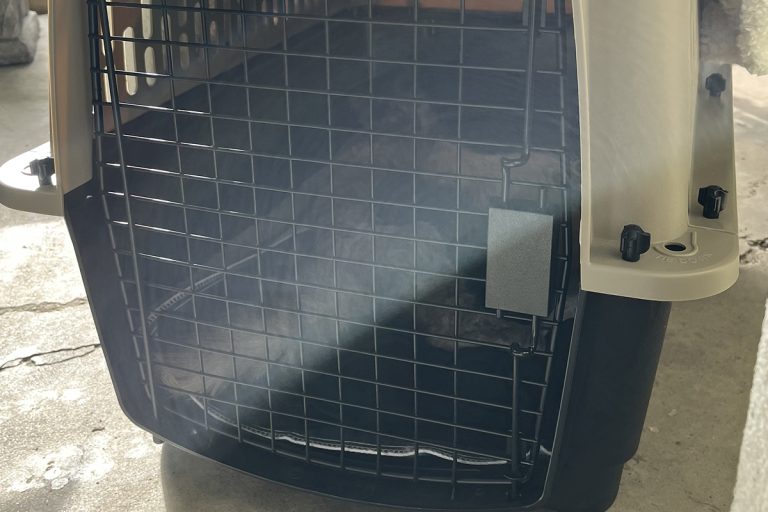
Transferring a cat to a rescue or excellent foster
Transferring a cat to a rescue was the right call. Here’s what to expect from the rescue handoff, practically and emotionally.
Read Article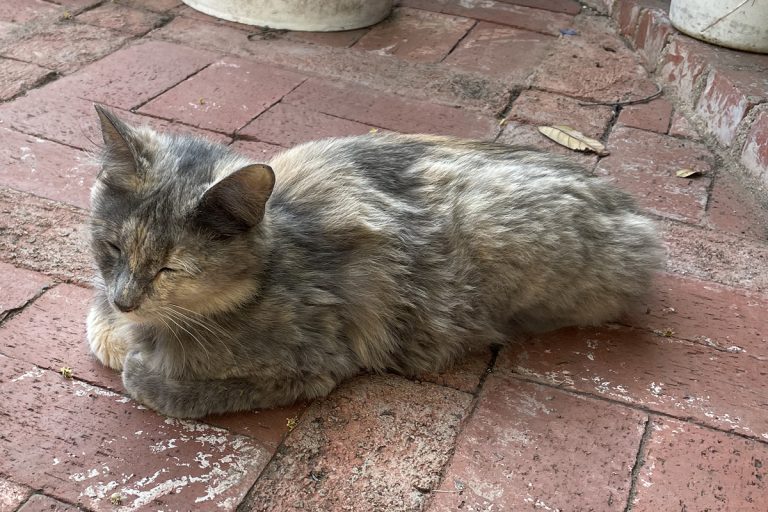
When a cat rescue shames you for asking for help
When a cat rescue shames you for asking for help, that’s about them, not you. Here’s what happened to me and what I did next.
Read Article
Why giving free kittens away is not safe (and what happens when they land in the wrong hands)
Sadly, we do not live in a world where we all treat our pets and animals with love and affection. Here’s why giving free kittens away is not safe.
Read Article