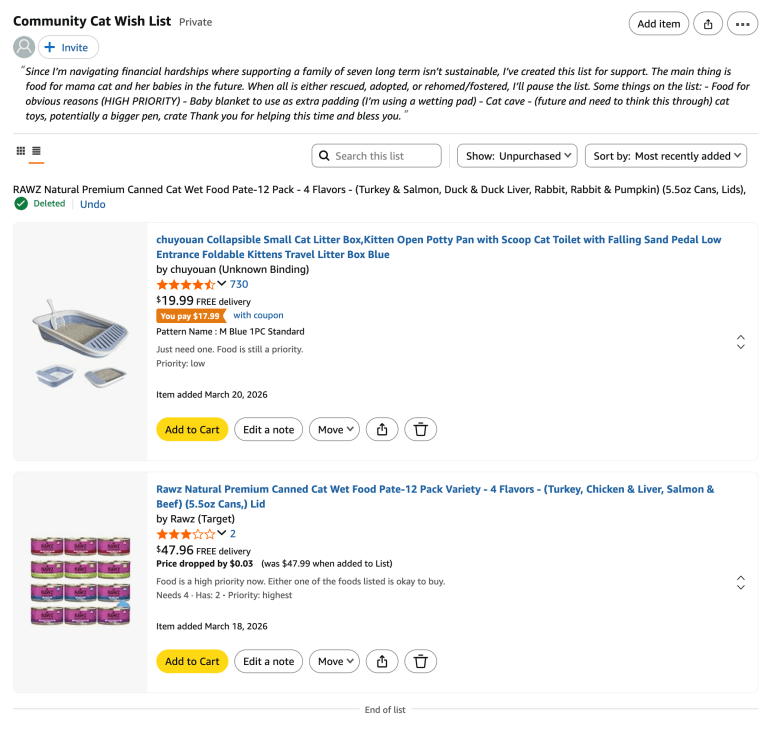
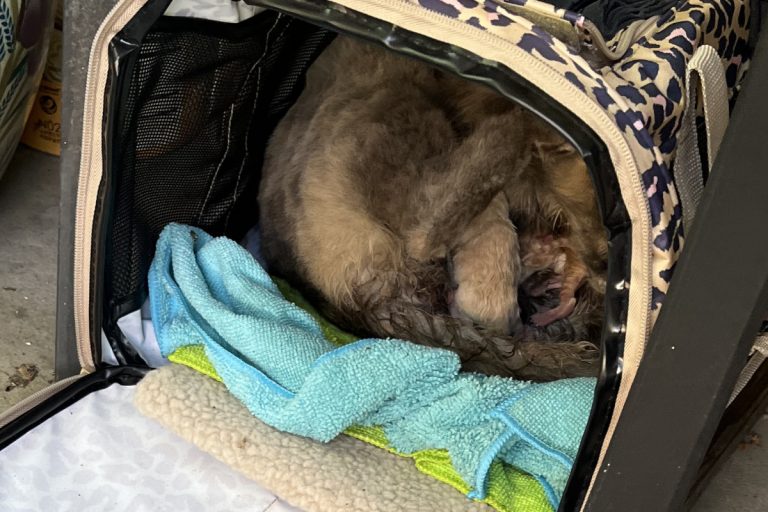
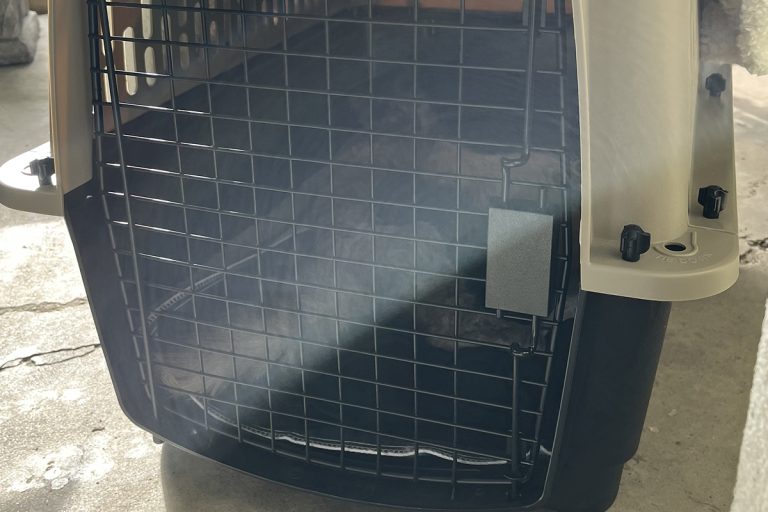
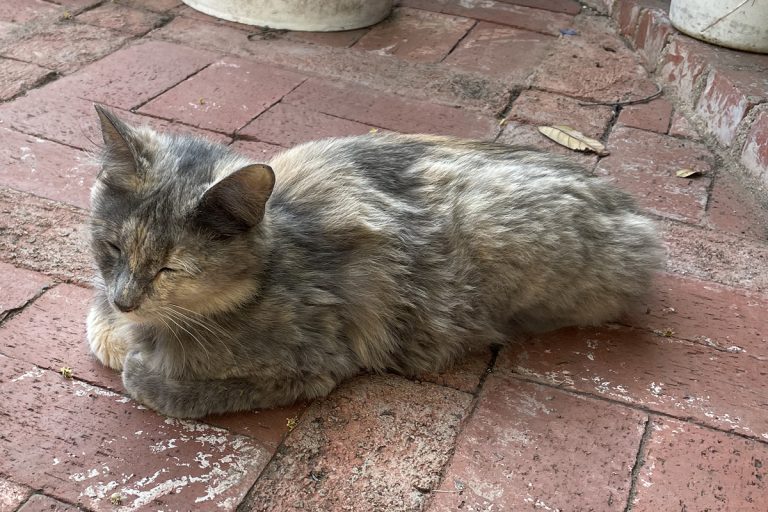
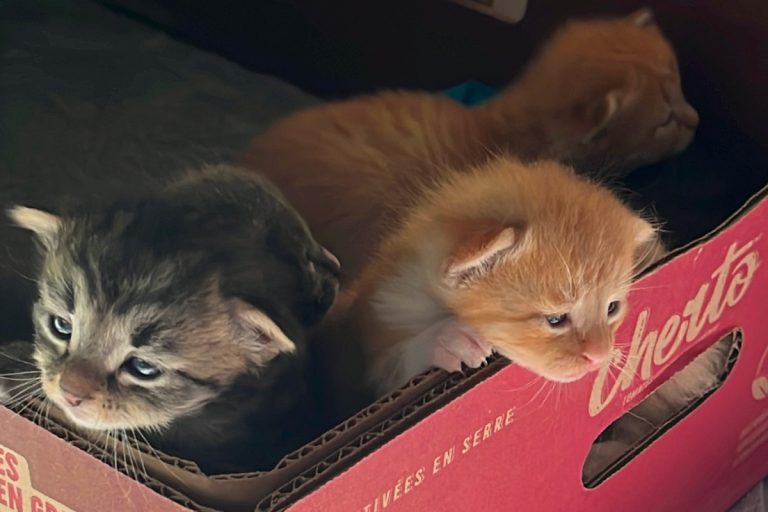
I didn’t know a single rescue organization when Conan gave birth. I just had a pregnant community cat, six newborn kittens, and a phone with internet access.
That was it, on top of Threads and my friends.
(Add photo of the help!)
What followed was a crash course in how rescue actually works, like who to call, what to ask, what red flags look like, and how to keep going when the first three organizations you contact don’t pan out.
Find a legitimate cat rescue: Start broader than you think you need to
The rescue system feels like a closed network until you find your way in. The entry points are more accessible than they appear.
The fastest first step is local Facebook groups. Search your city or county name alongside terms like “community cats,” “cat rescue,” “stray cats,” or “TNR.” These groups are often the best real-time resource for your specific area; people post about resources, recommend organizations, and sometimes connect caregivers directly with fosters or rescues that have current availability.
Nextdoor is worth checking for the same reasons. Neighbors who have navigated similar situations are often more reachable here than anywhere else, and proximity matters; a rescue that covers your specific neighborhood is more likely to have knowledge of your local resources.
Your local animal shelter, even if they cannot take the animal themselves, typically maintains lists of rescue organizations and foster networks in the area. Call them not to surrender the animal but to ask for referrals. Most shelters will provide that information.
If you have a litter of young kittens, especially under four weeks old, search specifically for rescues that mention neonatal kittens, mama-and-litter situations, or foster-based care. General animal shelters often lack the capacity for the intensive care that very young kittens require. A specialized rescue is a better fit.
Contact multiple organizations at the same time
This is the part most people don’t do because it feels rude. It isn’t. Like one of the rescue has told me, “it’s better to blast your emails than none.”
Be prepared though! Rescues are almost always operating at or near capacity.
The first organization you contact may not have room.
The second may not either.
The third might say yes.
If you’ve been waiting on each response before contacting the next, you’ve lost days you didn’t have.
Contact as many as feel relevant simultaneously. Be transparent in your message; let them know you’re reaching out to multiple organizations because you’re working against a timeline. Most rescues understand this and won’t hold it against you.
Keep a record of who you contacted, when, and what they said. If you end up in a situation where multiple rescues express interest, you’ll need to be able to communicate clearly about where things stand.
What a legitimate rescue actually looks like
When a rescue responds, the quality of that response tells you a lot about the organization.
A legitimate rescue will ask real questions before committing: the age of the kittens, the health status of the mama cat, what care has been provided, what your timeline looks like, and whether you have any documentation of the animal’s history. These questions aren’t gatekeeping; they’re assessment. A rescue needs to know what they’re taking on.
They will often provide proof of cats or mama cat and kittens and see if they’re friendly to take in or not.
In addition, they will be transparent about their process: where the animals will go, what the foster situation looks like, what happens at intake. If you ask “do you have a foster home ready for this specific situation?” a legitimate rescue will be able to answer that specifically. Enthusiasm without specifics is a flag.
They communicate consistently. They follow through. They don’t disappear after expressing interest.
Red flags to watch for
Vague answers about where the animals will go. No verifiable online presence, reviews, or community presence. Pressure to hand over the animal quickly without a clear plan. Requests for money from you before they’ll take the animal. An inability to name a specific foster home or facility.
Also watch for rescues that seem to specialize in a different animal type; a dog rescue that will “figure out” what to do with a cat, for example. For neonatal kittens especially, you want an organization with demonstrated experience in exactly this situation.
When they say no, and when a rescue is unkind about it
Being turned away is hard, especially when you’re already stretched thin and emotionally invested in the animals you’ve been caring for.
Being turned away unkindly, being made to feel like you did something wrong by not knowing what you were doing, or having your situation dismissed, is something else. It happens. It’s not a reflection of your situation or your effort. Some organizations have cultures that don’t account for the fact that most people who end up caring for community cats did not volunteer for the role and had no prior experience.
Keep going. The rescue that is right for your situation exists. It may take more contacts than you expected.
What to have ready when you reach out
The more information you can provide upfront, the faster the process moves.
Approximate age of the kittens or the pregnancy stage if the mama hasn’t given birth yet. Health status; are they nursing, are they mobile, do they appear healthy? What care has been provided and for how long. Your location and whether you can transport or need the rescue to come to you. Your timeline; is this urgent or do you have some flexibility?
If you’ve been keeping notes or records, and I’d recommend it, a simple summary of what you’ve observed is genuinely useful. The profile documents I kept for Conan and her kittens became the handoff notes that gave Tiny Kitten Coven a head start in their care.
What came next for us
The rescue that said yes was Tiny Kitten Coven, a foster-based rescue specializing in neonatal and at-risk kittens. They had capacity, they had experience, and they could keep the family together. Conan and all six kittens transferred at approximately 25 days old.
That outcome was available because I kept contacting organizations until one had the right fit. The first calls didn’t work out or didn’t feel right, until the right one eventually did.
You’re not looking for any rescue. You’re looking for the right one for this specific situation. Keep going until you find it.