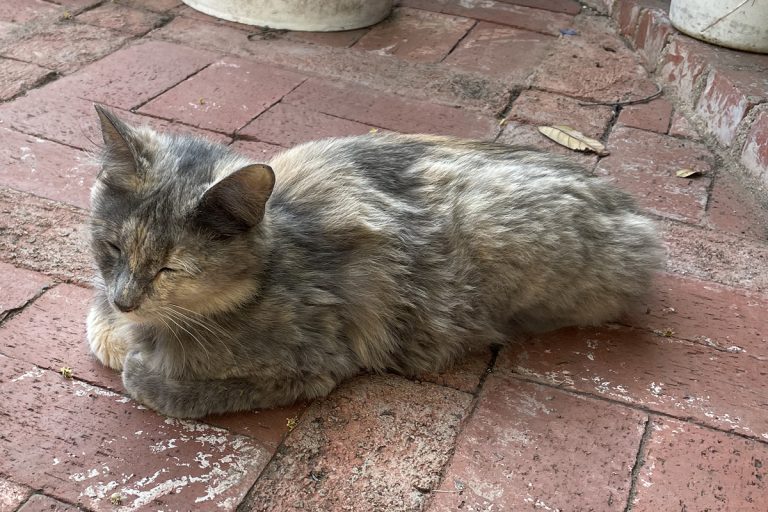
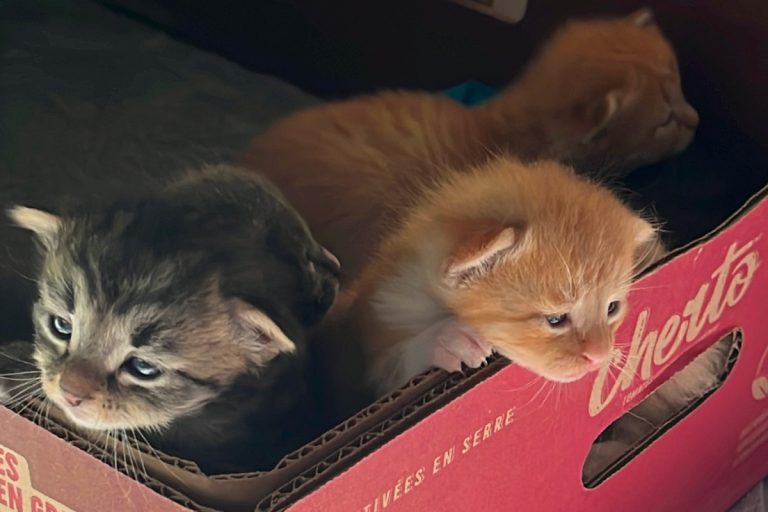
As a web designer, I went overboard with creating a profile for a community cat and her six kittens. I’ll be upfront about that. When I started documenting Conan and the kittens, I built out full profiles with behavioral notes, food preferences, personality descriptions, socialization summaries.
The thing is: that head start really mattered, regardless if Conan and her six kittens were going to a rescue or I’ll be adopting them to loving homes. Why? It’s so people didn’t have to start from scratch.
They knew that Conan’s absolute favorite was Shredded Tuna and Salmon by a wide margin, that she’d reject food left out more than 45 minutes, that she responds to heelllooo when she’s hungry, that loud sudden noises send her into hiding. They knew Duke was the bold one, that Houdini needed more time than his siblings, that Ringo was the one everybody slept on.
Even if you’re not a designer, even if you’re not planning a full website, a simple profile document is one of the most useful things you can create for an animal you’re rehoming or transferring to rescue.
How to create a profile for a community cat: the basics
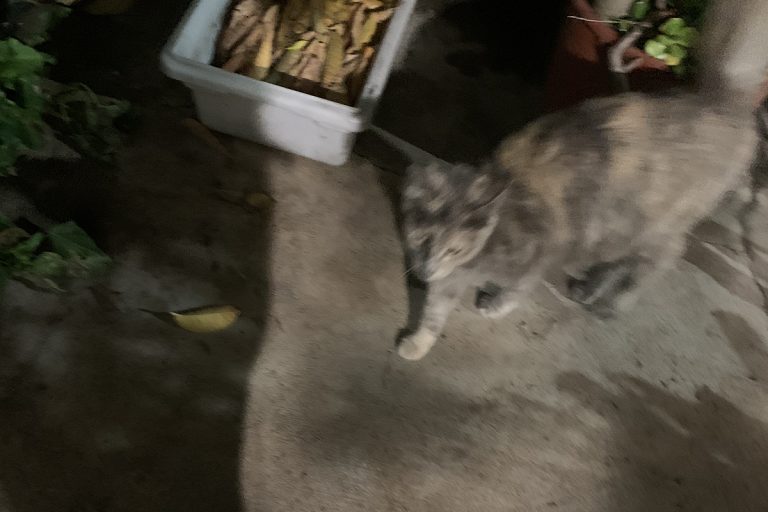
Name and physical description. Breed if known or estimated, coloring, any distinguishing markings. For Conan: diluted tortoiseshell, possible Maine Coon mix, estimated 1 to 3 years old, 8 to 10 lbs postpartum.
Approximate age and gender. As specific as you can be. If you don’t know, say so; an estimate is more useful than a blank.
Health history. Vaccines if known, spay or neuter status, any vet visits, deworming, microchip. Be honest about what you don’t know. “No confirmed vet history prior to rescue intake” is more useful than leaving it blank, because it tells the rescue what they’re working with.
Known health incidents. Anything that seemed off and resolved, any dietary reactions, any behavioral changes that coincided with something physical. Conan had a brief appetite disruption in late March that lasted about 24 hours; I documented it, noted the likely cause (dietary change and a possible fright incident), and noted that she fully recovered. That context matters if something similar happens again.
What to include: personality and behavior
This is where a profile becomes genuinely useful rather than just administrative.
How they communicate. Conan figure-eights around legs when she’s hungry. She vocalizes and leads when she wants something. She walks away when she’s done. Head-down sleeping near you means maximum trust. These aren’t cute details; they’re a language the next caregiver needs to learn, and you’ve already translated it.
What they’re afraid of. Loud sudden noises sent Conan hiding. Car traffic. The gardeners. Raccoons at night triggered either a standoff or silence depending on her read of the situation. Knowing this helps the foster or adopter anticipate stress before it happens.
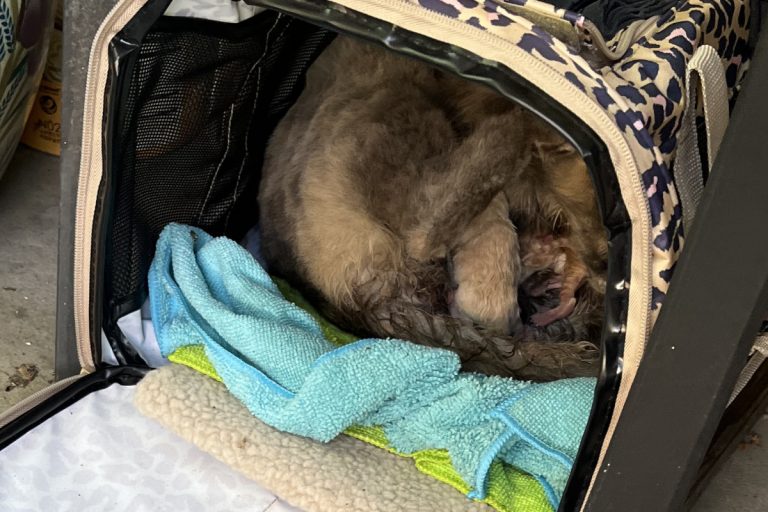
What helps them feel safe. For Conan: consistency, familiar routine, a quiet enclosed space, the carrier she’d chosen as her nest. A new caregiver who knows this can recreate the conditions rather than stumbling toward them.
How they interact with people. Are they immediately friendly or do they take time? Do they approach on their own terms or wait to be approached? Conan was socialized but selective; warm with familiar people, initially cautious with strangers, gaining trust through food and patience. Knowing this tells a potential adopter what the first weeks will look like.
What to include for kittens specifically
Each kitten deserves their own section, even a short one, because they are genuinely different animals.
Sex, coloring, and distinguishing features. Personality as you’ve observed it during the socialization window; bold versus cautious, vocal versus quiet, physically assertive versus gentle. Who plays with whom. How they respond to being held. Whether they’re more relaxed or more alert around humans.
For Houdini: gray tabby, blue eyes, gentle, the calmest in human hands once he decided to trust you but needed more time than his siblings to get there. Prefers to do things his own way. Has a smile that makes you want to care for him more. My hope was that he and a sibling would be adopted together; I didn’t see him thriving alone.
That level of specificity helps a rescue match him to the right adopter rather than placing him generically.
Social media profiles: a different format, same purpose
If you’re documenting on Instagram, YouTube, or any platform, the profile you build publicly serves the same function as the private document; it tells the story of who this animal is in a way that makes adoption feel real rather than transactional.
What works: specific details over generic ones. “Bold, vocal, first to push toward you when you lean over the box” lands differently than “friendly and playful.” Photos and video that show personality, not just cuteness. Updates that follow the arc of the story so followers feel invested in the outcome.
What doesn’t work: posting only when you need something. An audience that’s been following the journey will show up for an adoption call-to-action. An audience that only sees the ask has no reason to act.
The profile on the page and the profile in the document are the same story told in two registers. Both matter. Both serve the animal.
One thing worth saying out in the open
You know this animal in a way no one else does yet. You’ve watched them eat, sleep, play, trust, and retreat. You’ve learned their signals and their preferences. That knowledge is perishable; once you hand them off, the window to capture it closes.
Write it down before the transfer. The person on the other end will use it.